
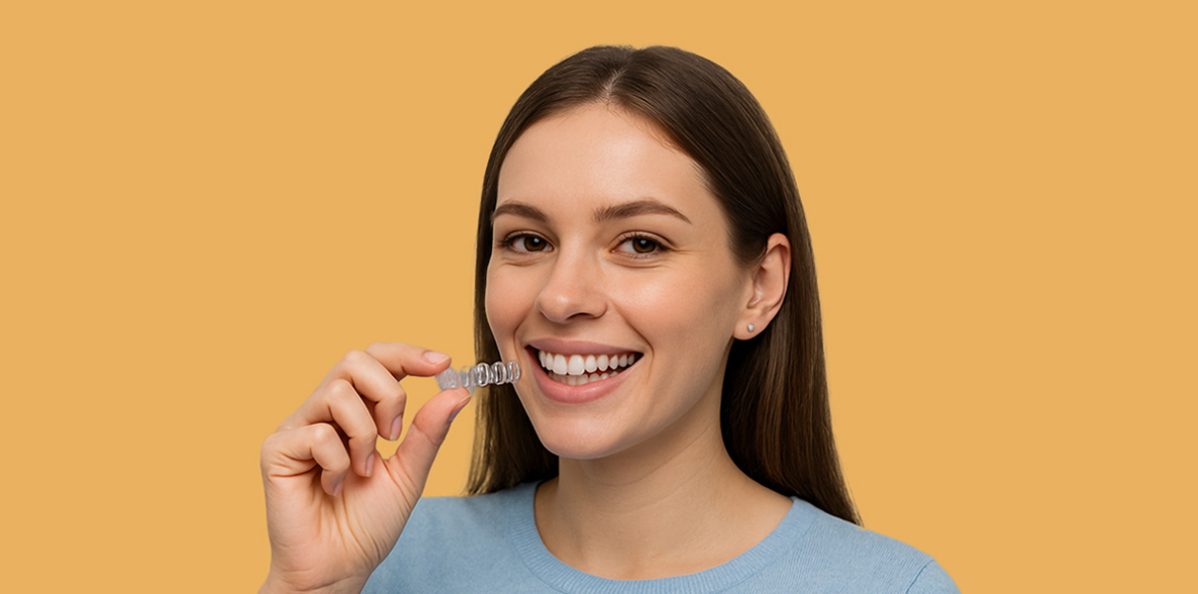
Dreaming of a truly flawless smile without bulky braces? Invisalign makes it possible with clear, comfortable aligners—plus smart attachments that guide every tooth into place. Whether you’re tackling rotations, bites, or stubborn gaps, these tiny anchors beautifully boost precision and speed. Ready to ditch the metal and unveil your radiance? Discover how attachments elevate your journey today.
Understanding Invisalign Attachments
Invisalign attachments are small, tooth-colored pieces made of a dental composite material bonded to specific teeth. Think of them as little handles or anchors that allow the aligners to apply precise pressure on teeth to move them effectively. In comparison to traditional braces, which use brackets and wires to push and pull teeth, Invisalign relies on clear trays that fit snugly over your teeth. But sometimes, these trays alone can’t achieve all the detailed movements needed.
Attachments help solve this problem. Each attachment’s shape and size are carefully planned by your orthodontist to help aligners grip your teeth better and guide them in the right direction. Some attachments are designed to rotate teeth, while others help lift or tilt them. The variety of Invisalign attachment types available means treatment can be highly personalized to your unique dental needs.
How Attachments Enhance Tooth Movement
The magic of Invisalign attachments lies in how they improve the forces applied to teeth. Without attachments, aligners primarily push teeth in a straight line. However, many orthodontic corrections require more complex movements like rotating teeth or moving roots deeper into the bone. Attachments allow the aligner to exert these forces with precision.
For example, if a tooth needs to rotate, an attachment shaped like a small rectangle acts as a handle that the aligner can push or pull against. Similarly, to move tooth attachments provide the leverage needed to move up or down (extrusion or intrusion), attachments that your teeth respond to more predictably, and treatment progresses smoothly.
Studies and patient experiences show that cases using attachments tend to finish faster and require fewer refinements compared to those without. Without attachments, some movements can stall, making treatment longer and less efficient. Attachments essentially turn your aligners into more powerful tools — they give them the same control that Invisalign brackets offer with traditional braces, but without the metal look.
Placement Process and Patient Experience
Many people worry about how attachments are placed and whether the process hurts. The good news: it’s straightforward and usually quick. When you visit your orthodontist, they will start by cleaning and drying your teeth. Then, a bonding agent is applied to the areas where attachments will go. Using a small applicator, your orthodontist places the composite material shaped like tiny bumps on your teeth. Finally, a special light hardens the material, securing the attachments firmly in place.
This process typically gets over within 15 to 20 minutes. Most patients feel little more than some pressure or slight roughness afterward. It’s common to experience mild sensitivity for a day or two, but it usually fades quickly. Some people notice that their bite feels a little different with attachments, but this also adjusts fast as you get used to wearing your aligners.
If discomfort arises, rinsing with warm salt water or taking over-the-counter pain relievers can help. The overall experience is gentle, and the benefits far outweigh the minor inconvenience.
A dental clinic near you or a dental office offering Invisalign in Redlands can always guide you through what to expect and answer any concerns you may have.
Care and Maintenance of Attachments
Attachments stay bonded throughout treatment, so daily care matters.
- Brush gently around attachments to avoid dislodging
- Floss using a threader or water flosser for tight spaces
- Avoid hard, sticky foods that might pop attachments off
If one breaks or falls off, call your provider. We’ll replace it quickly, usually in a single visit. Remember, attachments are small but critical. By following these simple tips, you keep your treatment on track, whether you’re jogging, eating, or speaking.
Patients who choose Invisalign, share that mindful hygiene prevents delays and keeps smiles progressing smoothly.
Tracking Progress and Adjusting Treatment
Regular check-ups let your orthodontist evaluate attachment performance. At each visit, they:
- Inspect attachment integrity
- Remove worn or misplaced attachments
- Apply new ones if your plan shifts
Digital scans capture your current tooth position. If teeth resist movement, attachments can be reshaped or repositioned. This flexibility means fewer extra aligners and a faster path to your ideal smile. Trust the process: By staying on schedule, you’ll see results sooner, and your final reveal will be worth every step.
Final Thoughts
Invisalign attachments might be small, but they’re a key part of creating beautiful, lasting smiles. They provide the grip and control your clear aligners need to move teeth accurately and comfortably.
If you’re searching for reliable Invisalign in Redlands, CA, the King House Dental Group offers expert care tailored to your smile goals. Schedule your consultation today.
